I’ve been setting up a new laptop for our church which means I’ve been needing to purchase security software and Microsoft Office. Luckily I know that it’s possible to buy Microsoft Office 2024 without a subscription, though it’s getting harder to find on their website. The security software, however, will be a subscription that someone will need to continue paying for after I set it up.
Subscription fatigue has become a real problem. Many people search online for ways to reduce recurring charges, which is exactly why scammers are pushing fake “lifetime access” deals for popular services. These offers look tempting. A one time payment for a service that normally costs a monthly fee sounds like a bargain. Instead, it is a trap that is catching thousands of people.
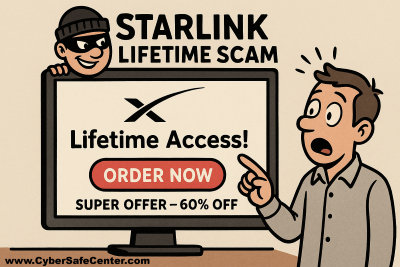
A new trend involves scammers copying real advertisements from trusted companies. Starlink has been a major target. Criminals clone Starlink’s website, copy its graphics, and run sponsored ads on social media that promote fake lifetime access packages. The official Starlink service never offers lifetime access, but the scam sites claim they can provide it for a few hundred dollars. Victims only learn the truth when the equipment never arrives or when they discover their credit card has been used for other purchases.
Similar scams are now appearing for products like anti virus software, password managers, VPN services, streaming devices, cloud backup tools, and even productivity software. If a service normally charges a subscription, be suspicious of anyone promising a one time payment. Legitimate companies rarely change their entire business model overnight.
A common tactic used by scammers is to add urgency. The sites use countdown timers, limited inventory alerts, and claims that the offer will expire within minutes. None of these are real. The goal is to get people to act quickly without taking time to investigate.
There are simple ways to stay safe. Always open the official site directly instead of relying on ads. Never trust a lifetime offer for a service that normally requires ongoing payments. Look for warning signs such as strange web addresses, spelling mistakes, customer service phone numbers that do not match the real company, and payment requests that route through unfamiliar processors.
If a deal seems too good to be true, it usually is. Taking a few extra minutes to double check can save your money and protect your personal information from criminals who count on people rushing through purchases.