
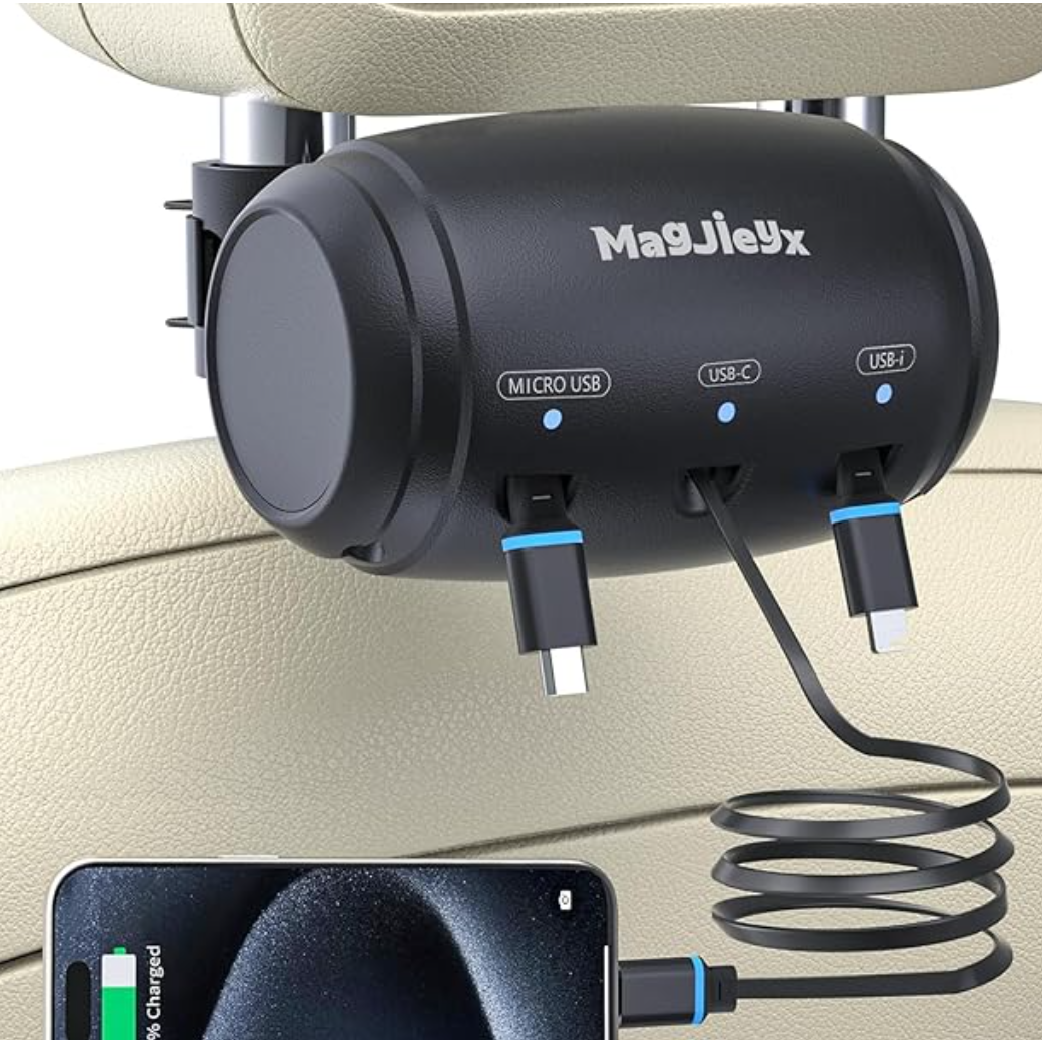
This morning I jumped into a rideshare on the way to the airport. It was one of those early trips where you are half awake, juggling bags, and checking your phone for the which airport terminal you will be using.
I had an almost-fully charged phone battery, but I was going to be traveling all day. Right there in the back seat was a neat little charging station. Multiple cables. Lightning, USB-C, even an older connector. A small sign said, “Free charging for passengers.”
It was thoughtful. Convenient. Exactly what some rideshare customers need.
And I did not plug in.
The driver seemed perfectly kind. Friendly hello, clean car, soft music playing. I am sure he was just trying to offer a nice extra service. But here is the thing most people do not realize: a USB cable is not just a power cord. It can also transfer data.
That means if a device has been modified, it could potentially try to access your phone the moment you connect. Security experts even have a name for this type of attack: juice jacking. Instead of just charging your battery, a compromised port or cable could attempt to install malicious software or quietly copy information.
Is that common in random rideshares? Probably not. But the whole point of cybersecurity is that you cannot tell by looking. Some cables even contain tiny chips hidden inside the connector itself.
So I did what I always advise friends and family to do. I waited until there was a real power outlet at the airport.
Sometimes being cautious feels a little awkward. You worry you might seem paranoid. But protecting your data is not rude. It is responsible.
Even when the driver is probably just a nice guy trying to help.